
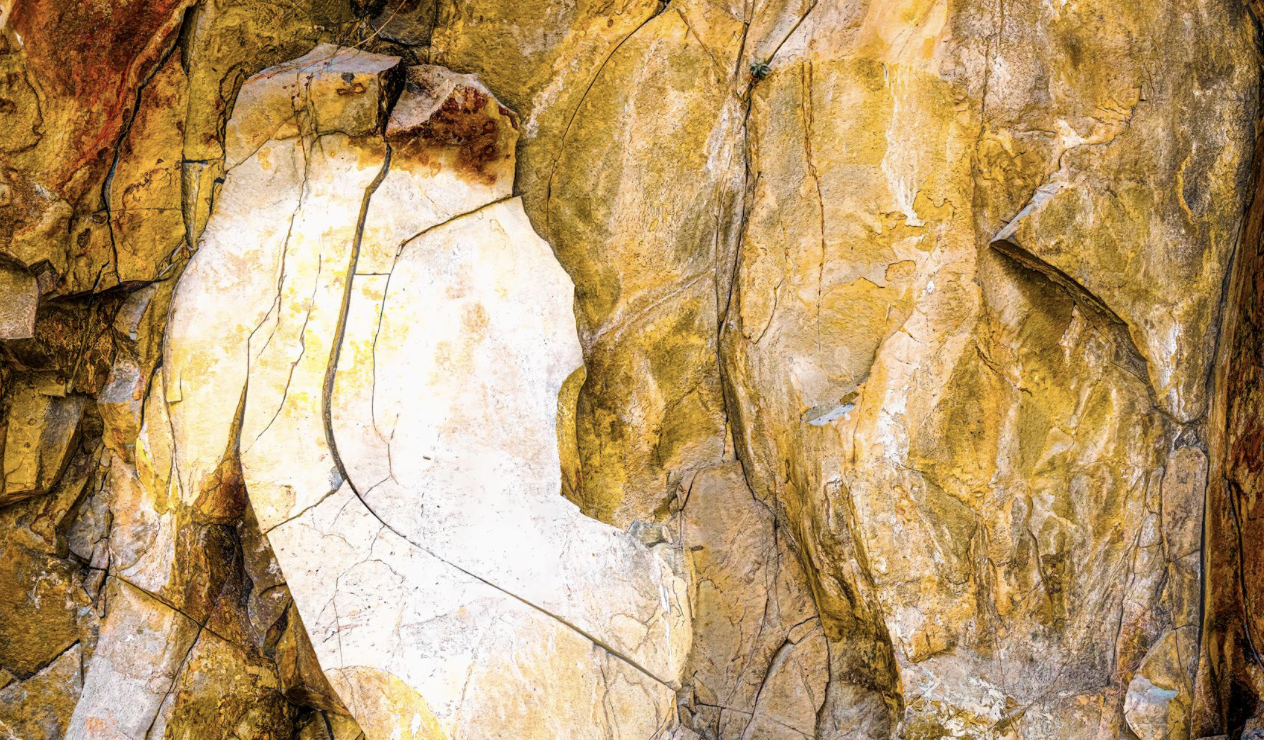
Julian Jollon is an American artist whose creative journey reflects resilience, transformation, and a profound appreciation for the mysteries of existence. Trained in Fine Arts, Photography, and Painting, he initially envisioned a career devoted to artistic expression. However, his professional path took an unexpected direction when he entered Hospital Epidemiology, dedicating many years to scientific research and protecting human health.
A defining chapter in his life came when he underwent a liver transplant, an experience that profoundly influenced his understanding of mortality, renewal, and the precious nature of time. Returning to artistic exploration with renewed sensitivity, Jollon discovered photography as a powerful medium for revealing extraordinary beauty within ordinary surroundings. His work transforms natural geological formations into compelling visual narratives, exploring the connections between humanity, spirituality, and the ancient Earth. Through his distinctive perspective, he invites viewers to look beyond appearances and discover the hidden symbolism embedded within nature.
Divine Harmony: Discovering the Feminine Spirit Within the Earth
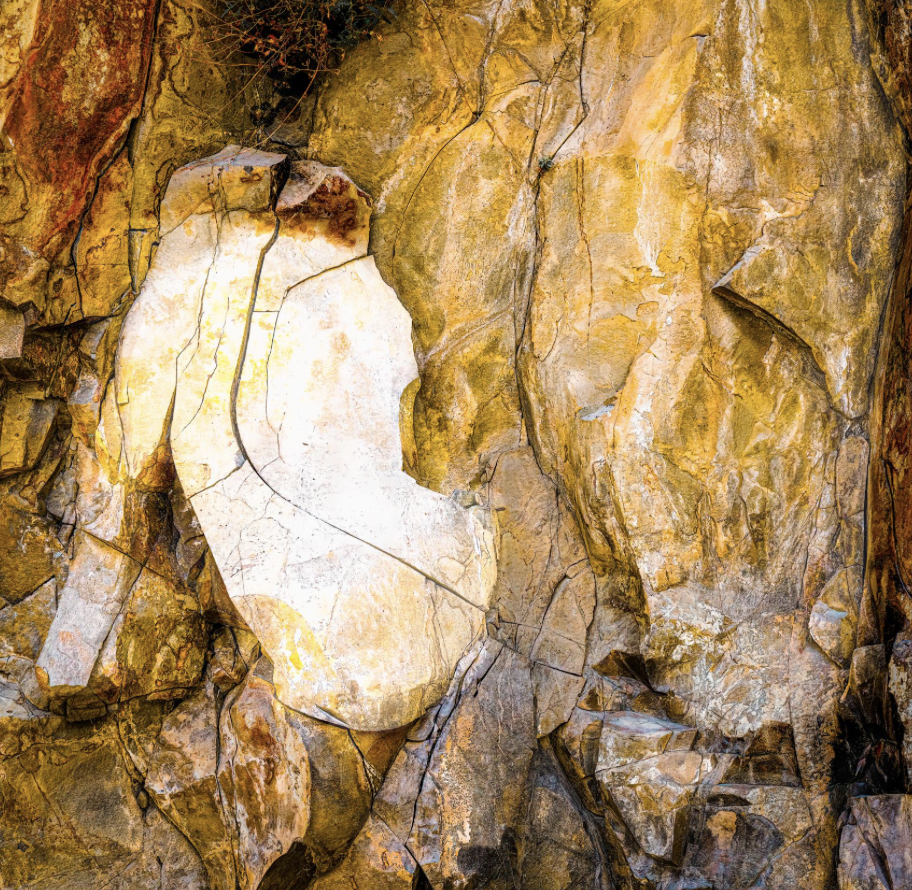
In Divine Harmony, Julian Jollon presents a fascinating photographic exploration of nature’s ability to communicate through texture, form, and symbolism. Capturing the intricate surface of an ancient rock formation, the artist reveals an extraordinary visual relationship between the natural landscape and the feminine spirit. Within the stone’s irregular patterns, the figures of a seated woman and a majestic horse appear to emerge, creating a composition that feels both mysterious and deeply meaningful.
What makes this photograph particularly compelling is its natural origin. Rather than constructing an image through traditional artistic techniques, Jollon discovers an existing arrangement within the contours of a rock approximately 50 million years old. Through observation and thoughtful photographic framing, he transforms a geological surface into a meditation on spirituality, feminine wisdom, and humanity’s enduring connection with nature.
The seated woman becomes the emotional center of the composition. Her presence conveys tranquility, dignity, and quiet strength. Emerging organically from the stone, she appears inseparable from the surrounding geological textures, suggesting that her symbolic identity has existed within the Earth long before human observation brought it into focus.
This interpretation establishes a meaningful connection between femininity and the natural environment. Throughout history, numerous cultural traditions have associated the Earth with nurturing, protection, fertility, and renewal. Jollon’s photograph evokes these universal associations while allowing viewers to develop their own understanding of the mysterious figure.
The woman may represent spiritual wisdom, moral courage, or universal motherhood. Her presence suggests that feminine strength extends beyond individual experience, becoming an elemental force connected to the rhythms of existence. Rather than portraying femininity through conventional imagery, Jollon discovers its symbolic expression within the Earth’s ancient formations.
Accompanying the woman is a horse, whose recognizable form introduces another dimension of interpretation. Traditionally associated with freedom, endurance, vitality, and independence, the animal complements the woman’s peaceful presence. Together, they suggest a relationship built upon harmony, mutual respect, and spiritual companionship.
The horse’s position beside the woman is particularly significant. It does not appear as an instrument of control or conquest but as an equal presence within the composition. Their apparent partnership reinforces the photograph’s broader message of balance between humanity, animals, and the natural world.
Another remarkable aspect of Divine Harmony is its delicate balance between abstraction and recognizable imagery. The figures remain integrated into the stone’s natural markings, creating an experience that depends upon individual perception. Some viewers may immediately recognize the woman and horse, while others may discover entirely different shapes and meanings.
This interpretive freedom demonstrates Jollon’s ability to transform observation into artistic discovery. His photography encourages audiences to question how imagination, memory, and cultural understanding influence their perception of the physical world. What appears ordinary at first glance may gradually reveal unexpected emotional and symbolic possibilities.
The geological age of the stone adds another layer of significance. Formed through processes spanning millions of years, its surface represents endurance, transformation, and the passage of time. Against this immense history, human existence appears fleeting, yet the values associated with wisdom, compassion, and resilience remain meaningful.
Jollon’s personal journey further enriches this interpretation. His experiences with physical vulnerability and renewal offer a perspective through which the permanence of stone and the fragility of human life become interconnected.
Ultimately, Divine Harmony transcends conventional landscape photography. It becomes a poetic reflection on the relationship between the visible and invisible, the ancient and contemporary, and the physical and spiritual. Through his sensitive observation of natural forms, Julian Jollon reminds viewers that beauty and meaning often exist beyond immediate recognition.
His photograph celebrates the possibility that the Earth itself can inspire stories of strength, companionship, and belonging. In the quiet meeting of feminine symbolism, animal presence, and geological memory, Divine Harmony offers an enduring vision of unity between humanity and nature.
