
Close Menu
    What's Hot

    October 30, 2026

    Alan Brown: A Portrait with a Pear

    September 25, 2026

    Allan Wesaquate: Returning to an Image

    September 25, 2026
    Facebook X (Twitter) Instagram
    Art MusexpressArt Musexpress
    • Home
    • 
Exhibitions
    • Architecture

    • Museums

    • Culture

    • 
Reviews
    Art MusexpressArt Musexpress
    Home»
Exhibitions»The Enigmatic Valuation: Navigating Andy Warhol’s Most Expensive Paintings in the Art Market
    
Exhibitions

    The Enigmatic Valuation: Navigating Andy Warhol’s Most Expensive Paintings in the Art Market

    Facebook Twitter Pinterest LinkedIn Tumblr WhatsApp Reddit Email
    Share
    Facebook Twitter LinkedIn Pinterest Email

    As of my knowledge cutoff in January 2022, there isn’t a single “most expensive” painting by Andy Warhol that stands out definitively, as auction results and records can change over time. However, I can provide a general overview of Andy Warhol’s impact on the art market, his notable works, and the trends in his auction prices.

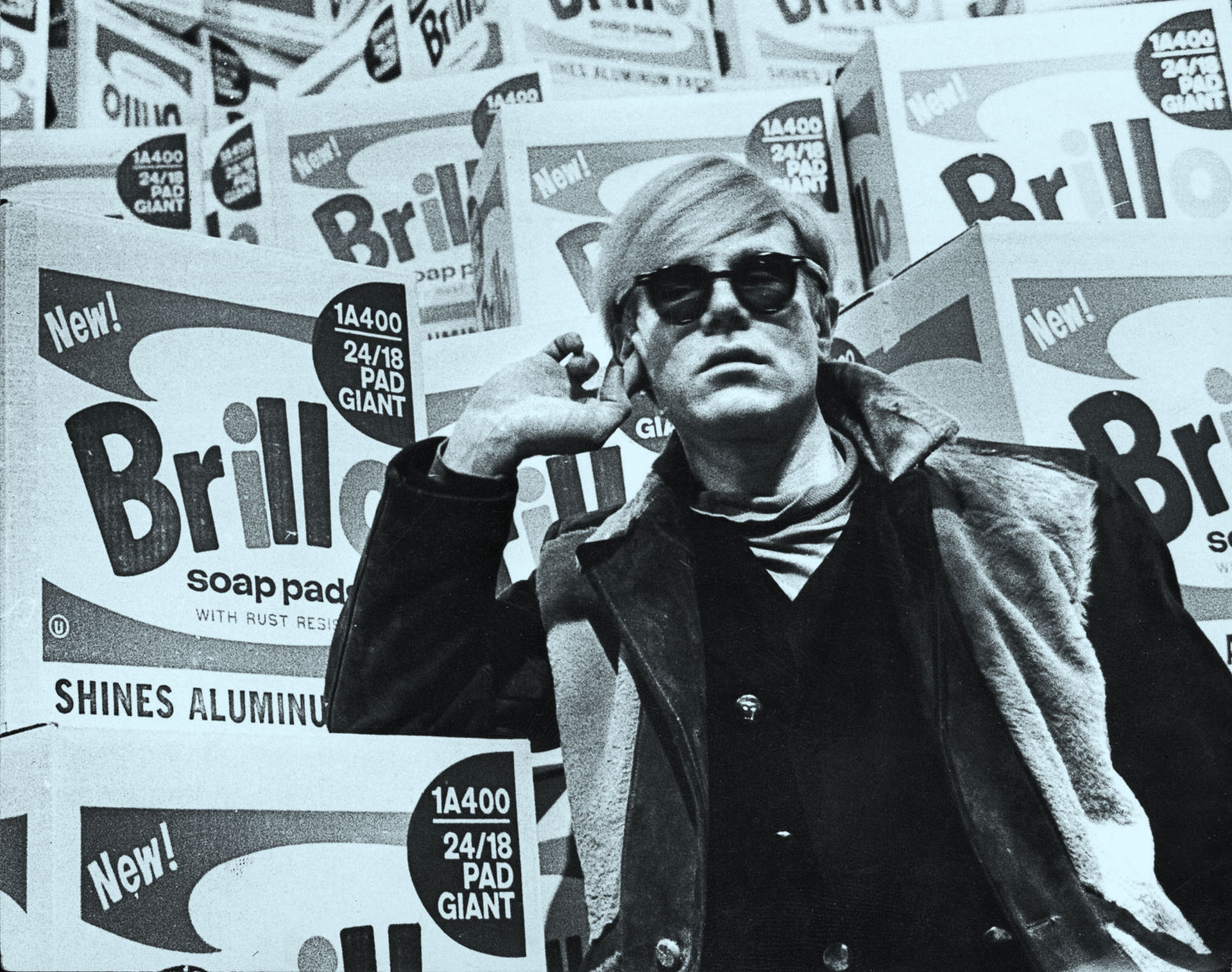
    Andy Warhol, a leading figure in the Pop Art movement, is renowned for his unique approach to art, elevating everyday objects and celebrity culture into iconic works of art. His use of mass-production techniques and bold, vibrant colors has left an indelible mark on the art world.

    Several of Warhol’s pieces have fetched substantial amounts at auctions. One of his most famous works, “Eight Elvises” (1963), was sold privately for a reported $100 million in a 2008 transaction. Another iconic piece, “Silver Car Crash (Double Disaster)” (1963), was sold at auction in 2013 for over $105 million.

    One of Warhol’s most recognized and valuable series is his portraits of Marilyn Monroe. “Nine Marilyns” (1962) is a notable example that has gained attention in the art market. The value of Warhol’s Marilyn Monroe portraits can vary, but they are consistently sought after by collectors.

    The fascination with Warhol’s art extends beyond his paintings. His screenprints, especially those from the Campbell’s Soup Cans series, are highly coveted. “100 Cans” (1962) and “200 One Dollar Bills” (1962) are among the notable screenprints that have achieved significant auction prices.

    The allure of Warhol’s work lies not only in its visual impact but also in its cultural and historical significance. His ability to capture the zeitgeist of his time, from celebrity culture to consumerism, continues to resonate with contemporary audiences.

    The art market’s interest in Warhol’s pieces has led to a consistent appreciation of his works over the years. However, determining the “most expensive” painting can be challenging due to the private nature of some transactions and the fluctuating dynamics of the art market.

    As of 2023, it would be prudent to check the latest auction results and art market reports to identify the current record-holder for the most expensive Andy Warhol painting. The art market is dynamic, and new sales records may emerge, further cementing Warhol’s status as a cultural icon and a powerhouse in the world of contemporary art.

    In conclusion, Andy Warhol’s influence on the art world remains profound, with his works fetching impressive sums at auctions. Whether it’s his Marilyn Monroe portraits, Campbell’s Soup Cans, or other iconic pieces, Warhol’s art continues to captivate collectors and enthusiasts alike, contributing to the ever-evolving landscape of art valuation and appreciation.

    Andy Warhol The Enigmatic Valuation: Navigating Andy Warhol's Most Expensive Paintings in the Art Market
    Share. Facebook Twitter Pinterest LinkedIn Tumblr Email
    Seraphina Calder
    • Website

    Related Posts

    Andy Warhol’s most expensive painting

    March 4, 2024

    Top 10 Notable Collectors of Andy Warhol’s Works

    February 26, 2024

    5 Facts You Don’t Know About Andy Warhol

    February 22, 2024
    Add A Comment
    Leave A Reply Cancel Reply

    Top Posts

    October 30, 2026

    How editing propels mid-career artists to new heights

    December 23, 2023

    Musician Nick Cave will present new ceramics at Xavier Hufkens in 2024.

    December 23, 2023

    Why we are drawn to “hysterical” art.

    December 23, 2023
    Don't Miss

    Sonja Kalb: Whispering Forest III — Exploring the Poetry of Nature Through Abstraction Born in Stuttgart, Germany, contemporary abstract artist Sonja Kalb brings together a refined understanding of design and an expressive approach to painting. Holding a Dipl. Ing. degree in Textile and Design, she developed a strong appreciation for material experimentation, structural harmony, and the relationship between color and form. These influences remain evident in her artistic practice, although her work has gradually moved beyond technical precision toward a more spontaneous and emotionally driven visual language. Based in Düsseldorf, Germany, Kalb creates paintings that explore the shifting qualities of nature through rich textures, fluid gestures, and vibrant color combinations. Her compositions balance moments of intensity with passages of quiet reflection, revealing an ongoing fascination with the natural environment. Through abstraction, she transforms familiar impressions of landscapes into immersive visual experiences, encouraging audiences to discover their own emotional connections with the worlds she creates. A Journey Through Color, Light, and the Natural World In Whispering Forest III, mixed media on canvas, 120 × 80 cm, Sonja Kalb presents an evocative interpretation of the natural world, where color, texture, and movement come together to suggest the mysterious atmosphere of a forest. Rather than portraying a recognizable landscape, the artist creates an imaginative environment that captures the sensations of being surrounded by dense vegetation, shifting light, and organic forms. The composition offers a compelling balance between visual complexity and atmospheric tranquility, inviting viewers to explore its many layers. A rich spectrum of greens dominates the painting, ranging from deep forest shades to brilliant turquoise and softer emerald tones. These colors establish an immediate connection with the vitality of nature, suggesting flourishing vegetation and the constant renewal of the environment. Kalb introduces darker passages throughout the composition, creating a sense of depth and mystery. These shadowed areas contrast with lighter turquoise sections, producing the impression of sunlight filtering through a dense canopy of leaves. The painting’s vertical orientation reinforces its connection to the forest. Elongated marks and downward gestures resemble tree trunks, hanging branches, and the natural patterns formed by vegetation. Yet these associations remain deliberately ambiguous. Kalb allows recognizable suggestions to emerge without defining them completely, preserving the freedom of abstraction and encouraging viewers to participate in the interpretation of the work. One of the painting’s most captivating qualities is its intricate surface. Broad, energetic brushstrokes intersect with delicate marks, translucent passages, and areas of concentrated pigment. These contrasting techniques establish a visual rhythm that moves between spontaneity and careful consideration. Certain sections appear densely layered, while others reveal glimpses of lighter colors beneath the surface. This interaction creates a sense of continuous transformation, reflecting the complexity and unpredictability of natural growth. Toward the lower portion of the canvas, pale blue and turquoise tones introduce a softer atmosphere. These luminous areas suggest an opening within the forest, perhaps a clearing, a reflection of water, or a moment when daylight reaches the ground. Scattered accents of pink, violet, and reddish orange provide unexpected points of contrast, recalling the presence of flowers, fallen leaves, or other fleeting details within the landscape. Their placement adds warmth and visual interest without disrupting the painting’s overall harmony. Kalb’s use of color extends beyond the description of natural surroundings. Green becomes a vehicle for expressing vitality, regeneration, and emotional balance, while darker tones introduce introspection and uncertainty. The luminous turquoise passages suggest openness and renewal, creating a subtle dialogue between the familiar and the unknown. Through these relationships, the painting communicates an atmosphere that feels simultaneously peaceful and alive with movement. The title Whispering Forest III introduces an additional poetic dimension. The idea of a whisper suggests something intimate, almost imperceptible, encouraging viewers to consider the quieter expressions of nature. The forest is not presented as a static setting but as a living environment filled with subtle activity. Each brushstroke seems to contribute to an imagined conversation between light, foliage, atmosphere, and the changing seasons. There is also an intriguing relationship between concealment and discovery. Certain shapes appear to emerge from the layers of paint before dissolving into surrounding colors. This visual uncertainty encourages prolonged observation, as different details become apparent with each encounter. The painting rewards curiosity, allowing its atmospheric qualities to unfold gradually rather than revealing a single, fixed interpretation. Ultimately, Whispering Forest III demonstrates Kalb’s ability to translate the sensory richness of nature into a distinctive abstract language. Through expressive gestures, luminous color relationships, and richly developed textures, she creates an environment that feels both expansive and deeply personal. The work celebrates the forest not simply as a physical place, but as a source of imagination, emotional resonance, and quiet contemplation. It invites viewers to experience nature through feeling and perception, discovering beauty within the ever-changing relationships between color, movement, and light.

    Alan Brown: A Portrait with a Pear

    September 25, 2026

    Allan Wesaquate: Returning to an Image

    September 25, 2026

    Mike Garibay: Watercolor in Motion

    September 19, 2026
    Stay In Touch
    • Facebook
    • Twitter
    • Pinterest
    • Instagram
    • YouTube
    • Vimeo
    Our Picks

    October 30, 2026

    Alan Brown: A Portrait with a Pear

    September 25, 2026

    Allan Wesaquate: Returning to an Image

    September 25, 2026
    Most Popular

    October 30, 2026

    How editing propels mid-career artists to new heights

    December 23, 2023

    Musician Nick Cave will present new ceramics at Xavier Hufkens in 2024.

    December 23, 2023
    Legal Pages
    • About Us
    • Contact Us
    • Disclaimer
    • DMCA Notice
    • Privacy Policy
    • About Us
    • Contact Us
    • Disclaimer
    • DMCA Notice
    • Privacy Policy
    © 2026 ThemeSphere. Designed by ThemeSphere.

    Type above and press Enter to search. Press Esc to cancel.