
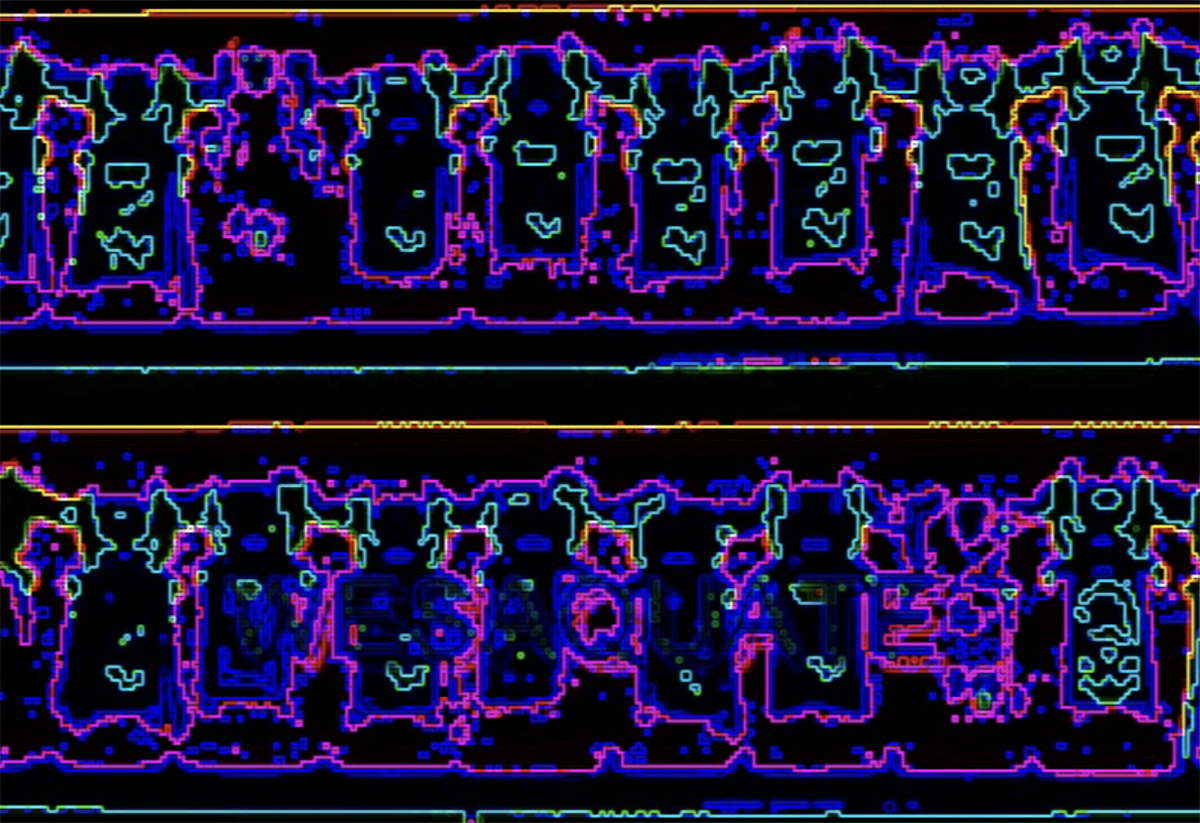
Allan Wesaquate works across painting, photography, and installation, allowing each medium to carry a different kind of experience. In his abstract paintings, he often starts with feeling instead of a predetermined image. Acrylic paint builds in layers, while vivid colors and changing forms give the surface its movement. One area may seem restless; another offers a moment of calm. The work draws from personal experience, yet Wesaquate leaves its meaning open to those who encounter it.
That interest in how images hold and change meaning extends to his photography. A photograph records a moment, but its life does not end when the camera is put away. Wesaquate’s photograph of Pez candy, taken in a Vancouver candy store in 1994 and retouched in 2010, brings two moments of his creative life together. The years between them become part of the work’s story.
The Pez Photograph
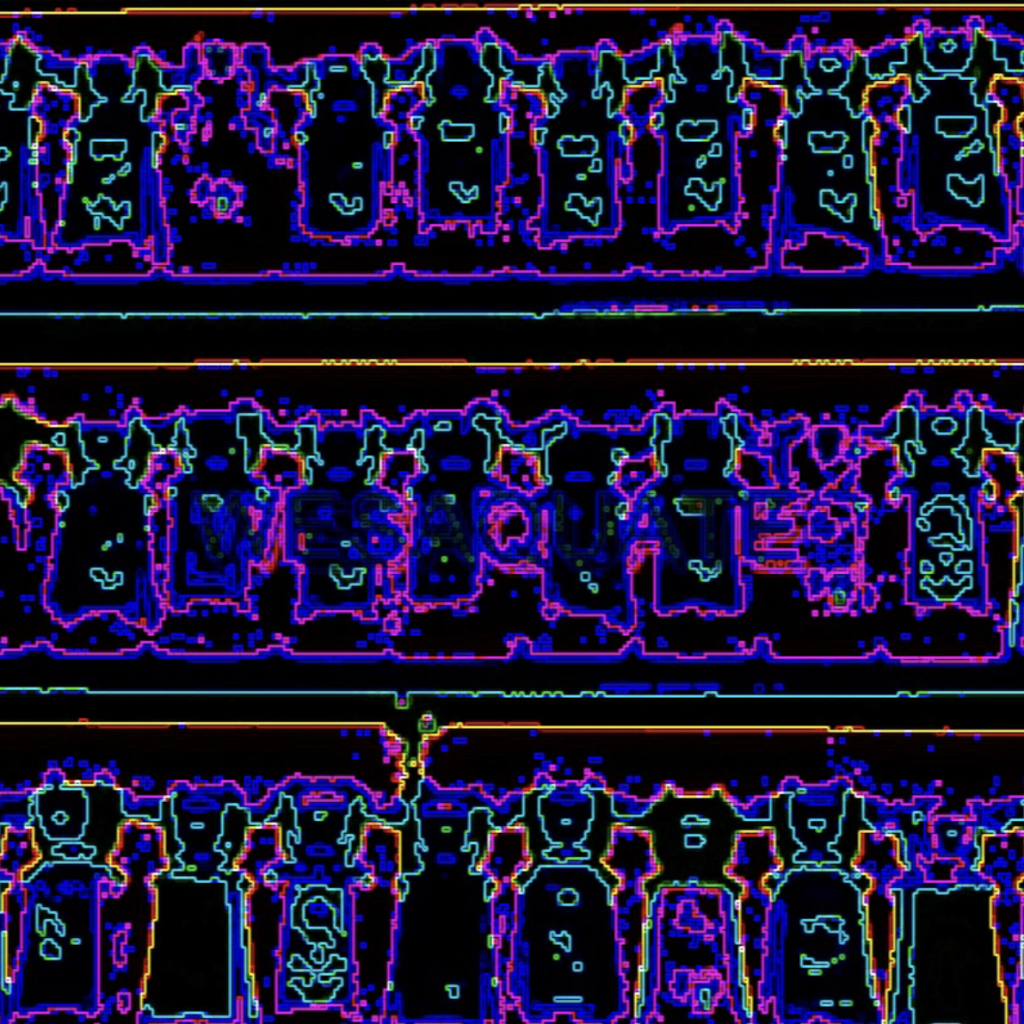
In 1994, Wesaquate photographed Pez candy inside a store in Vancouver, British Columbia. It was an everyday subject in an ordinary setting: something a shopper might notice briefly before moving on. By making a photograph, he gave that encounter a longer life. The image became a record of what caught his attention at a particular time and place, even though he could not have known how he would return to it years later.
Pez candy carries associations that can vary from person to person. Someone might think of childhood, a favorite dispenser, or the experience of choosing a small treat. Another viewer may have no particular memory attached to it. Wesaquate’s photograph does not require everyone to bring the same response. Its subject is familiar enough to invite recognition, while the circumstances of its making remain specific to the artist: a candy store in Vancouver in 1994.
Sixteen years later, in 2010, Wesaquate revisited the photograph and retouched it using a GIMP filter. That decision added another stage to the image’s history. The original photograph belonged to the moment he encountered the candy; the later edit belonged to a moment when he chose to look at his own image again. The work connects those two points in time without making them identical.
Returning to an older photograph can be a way of asking what still feels present in it. A detail that once seemed incidental may draw attention years later. An image kept from the past may also prompt the artist to make a new choice about how it is seen. Wesaquate’s use of a digital filter shows his willingness to work with the photograph after its initial capture. The camera established the image, and the later retouching became another creative decision within it.
This process has a connection to the openness of Wesaquate’s paintings. In those works, he allows color and form to develop without fixing every outcome in advance. With the Pez photograph, he began with something already recorded, then found a reason to engage with it again. Both approaches leave room for change. An image can begin in one state and continue to develop as the artist’s relationship to it shifts.
The photograph also raises questions about the small things we keep. Most encounters in a store disappear from memory. A photograph can preserve one, though it cannot preserve every thought or feeling that surrounded it. When Wesaquate retouched this image in 2010, he did not return to the candy store of 1994. He worked with a trace of that earlier visit, bringing his later perspective to what he had chosen to photograph.
The work has never been exhibited. Its absence from an exhibition history leaves its story centered on the two actions Wesaquate has described: photographing the candy and retouching the image years afterward. Those details are enough to give the photograph a sense of duration. It began with an act of noticing and continued through an act of reconsideration.
Seen through that history, the Pez image speaks to a practice in which a subject does not have to be grand to hold an artist’s attention. Wesaquate found a photograph in a candy store, kept it, and returned to it sixteen years later. The distance between those moments invites viewers to consider their own relationship with old images: what first made them worth keeping, and what they might reveal when seen again.
