
Based in the picturesque surroundings of the Netherlands, Andréa Lobel is a photographer whose work is guided by sensitivity, observation, and an interest in what cannot easily be expressed through language. Her artistic development was partly shaped by studies at the Academy for Photography and the School of Arts and Design, where she gained a foundation for exploring photography as both a technical discipline and an emotional form of communication. Rather than using the camera simply to record appearances, Lobel creates images that invite viewers to pause and consider the quieter dimensions of human presence. Her photographs often seem to begin where words become insufficient. Expression, gesture, atmosphere, and light take over, allowing the image to communicate through suggestion rather than explanation. Through this approach, Lobel transforms portraiture into an intimate encounter between the photographer, the subject, and the person looking at the finished work.
Jo and the Protective Veil
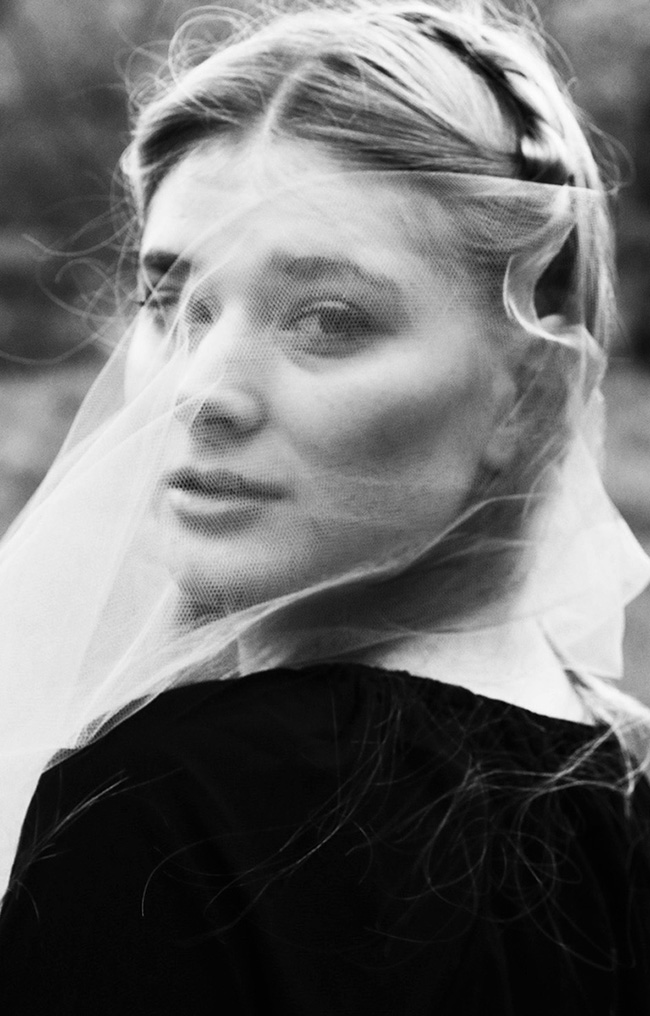
This black-and-white portrait depicts Jo, a woman who regularly poses for Lobel and whose natural beauty, restrained manner, and subtle charisma the photographer deeply admires. Their continuing collaboration appears important to the emotional character of the image. Because Jo is not an unfamiliar subject photographed during a brief meeting, the portrait carries a sense of trust developed over time. Lobel knows how Jo occupies space, while Jo understands the attentive presence of the camera. This familiarity gives the photograph its quiet intimacy.
The portrait belongs to a developing series that Lobel plans to continue through 2026 and 2027. For the project, she asked each model to select an object that created a feeling of safety. The chosen prop could serve as a form of protection from the camera’s searching eye, allowing the subject to influence how much of herself would be revealed. Jo chose a veil.
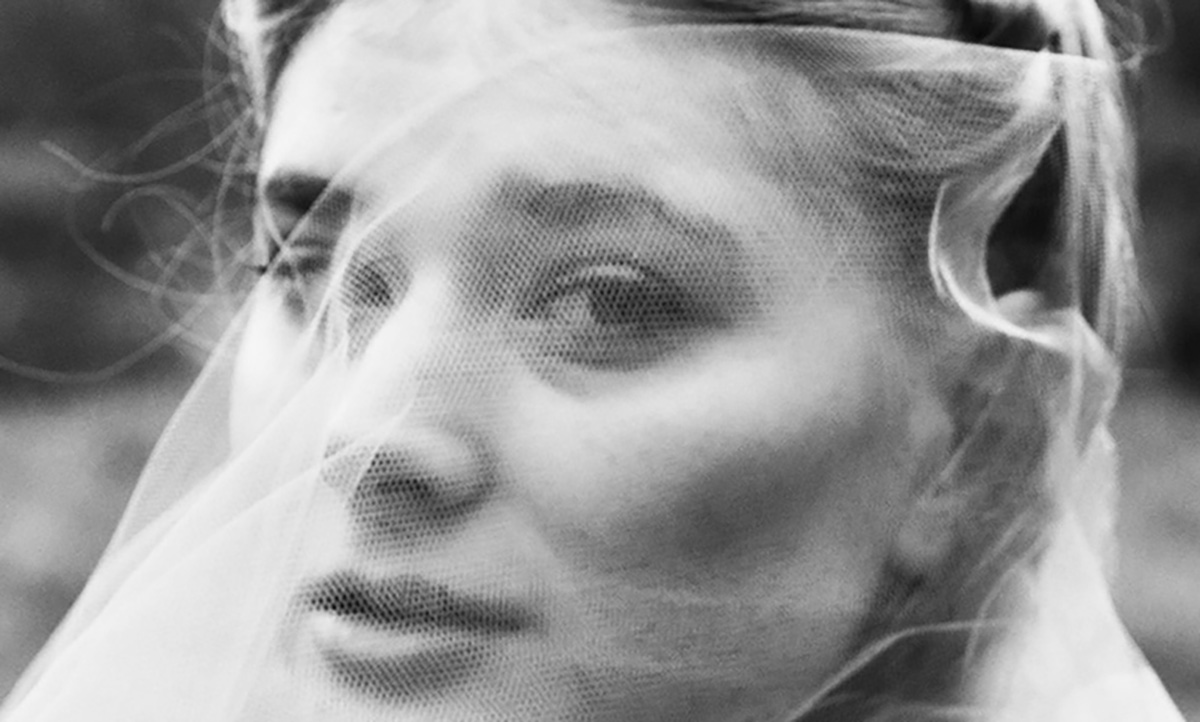
Her decision introduces an immediate paradox. A veil conceals, yet this particular material is translucent. It covers Jo’s face without removing it from view. Her eyes, nose, and mouth remain recognizable, but the fine mesh softens their definition and places a delicate visual distance between the subject and the observer. The veil becomes a boundary, though not an absolute one. Jo can still be seen, but she cannot be accessed without resistance.
This tension lies at the heart of the photograph. Portraiture often assumes that the camera has the right to examine a face and that the viewer is free to study it. Lobel complicates that expectation by giving the model a measure of control. Jo is present, but she determines the conditions of that presence. The fabric functions as a psychological shield, transforming the portrait from an act of observation into a negotiation between visibility and privacy.
Jo’s backward glance strengthens this feeling. Her body turns away while her face returns toward the camera, creating a pose that contains both withdrawal and engagement. She does not disappear from view, nor does she surrender completely to it. Her gaze is calm but watchful. It suggests awareness of being observed and perhaps an uncertainty about how much the observer should be permitted to know.
The veil also changes the emotional meaning of Jo’s expression. Without it, the image might read as a direct study of beauty and character. Through the mesh, however, her expression becomes more elusive. The material creates a second surface over the face, encouraging viewers to question whether they are encountering Jo herself or only a carefully mediated version of her. This ambiguity reflects the nature of photography more broadly. A portrait may reveal physical details, but it can never fully contain the person it depicts.
The photograph’s monochromatic treatment removes the distraction of color and emphasizes texture, contrast, and form. Jo’s luminous face emerges against her dark clothing, while the pale veil passes diagonally across the composition. The light catches the mesh and makes its structure visible, especially around the eyes and forehead. Fine strands of hair escape into the surrounding space, bringing movement and vulnerability to an otherwise controlled image.
There are also cultural associations attached to the veil. It can suggest ceremony, mourning, modesty, transformation, or separation. Lobel does not force the photograph into any single interpretation. Instead, these meanings remain suspended around Jo, enriching the image without defining her. The veil is personal before it is symbolic: it is the object she selected for security.
Ultimately, Lobel’s portrait is not simply about hiding. It is about the human need to feel protected while still being seen. Jo’s modest presence, transparent covering, and measured gaze create an image in which vulnerability and autonomy coexist. Lobel allows the camera to approach, but not to possess. The result is a portrait that respects mystery and reminds us that genuine intimacy does not require complete exposure.
