
Close Menu
    What's Hot

    October 30, 2026

    Alan Brown: A Portrait with a Pear

    September 25, 2026

    Allan Wesaquate: Returning to an Image

    September 25, 2026
    Facebook X (Twitter) Instagram
    Art MusexpressArt Musexpress
    • Home
    • 
Exhibitions
    • Architecture

    • Museums

    • Culture

    • 
Reviews
    Art MusexpressArt Musexpress
    Home»Artist»Vicky Tsalamata: Looking Through the Cracks
    Artist

    Vicky Tsalamata: Looking Through the Cracks

    Facebook Twitter Pinterest LinkedIn Tumblr WhatsApp Reddit Email
    Share
    Facebook Twitter LinkedIn Pinterest Email

    Based in Athens, Vicky Tsalamata is known for her no-nonsense approach to art and meaning. A Professor Emeritus in Printmaking at the Athens School of Fine Arts, she works with mixed media, often using archival prints on 100% cotton Hahnemühle paper. But the material is just a surface. What she’s really after is a deeper look at who we are, how we behave, and what gets lost along the way. Her work doesn’t decorate. It questions. With sharp humor and unflinching tone, Tsalamata points back to Balzac’s La Comédie Humaine—and beyond that, to Dante—to show how little has changed in how we move through life, power, and failure. Her art bridges history and the present with an edge that cuts through easy sentiment. It doesn’t comfort. It challenges.

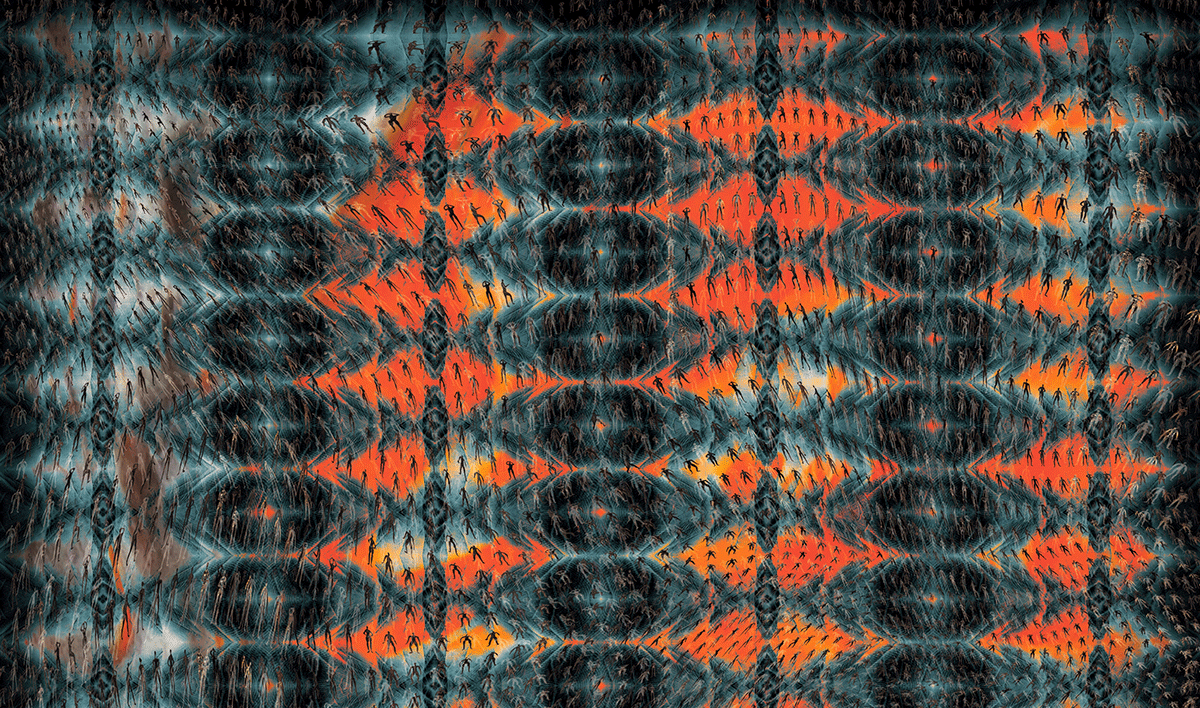
    In La Comédie Humaine, Give Me Your Hand (2022), the gesture in the title sounds soft, almost tender. But the image behind it holds tension. That hand might not be help—it could be desperation, manipulation, or detachment. Tsalamata gives us a scene that feels fractured and deliberate. The piece, like much of her work, is built with fine control—layered mixed media, crisp printing, a tactile surface that suggests both depth and distance. There’s space in the composition, but not peace. Figures are there, but isolated. Relationships are implied, but strained. The piece acts less like a narrative and more like a mirror, showing us how our structures—social, emotional, political—can isolate more than connect. It’s a reminder that being near each other isn’t the same as being together.
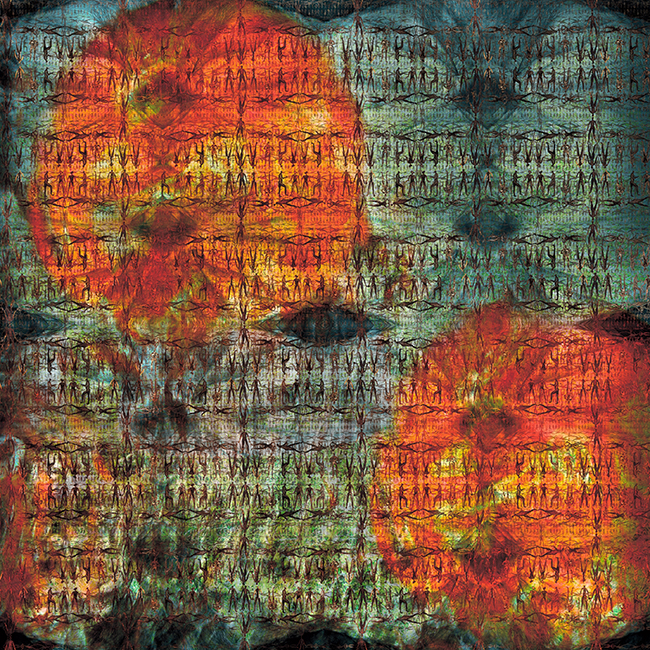
    The 2023 piece La Comédie Humaine, Farewell carries that disconnection even further. This isn’t a personal goodbye. It feels more like walking away from a collective illusion. The atmosphere is heavier. The mood tighter. The image echoes the breakdown of social systems and trust. Here, the reference to Dante becomes clearer. We’re not looking at a hopeful journey through the cosmos. We’re in a kind of slow-burning descent—something between disillusionment and quiet rage. Tsalamata’s use of clean, structured visuals makes the underlying critique land even harder. These aren’t chaotic works; they’re carefully built, like the very systems she’s picking apart. That balance between precision and discomfort is part of what makes the work linger. It’s not trying to shock. It’s trying to hold up the reality we live in, stripped of its gloss.
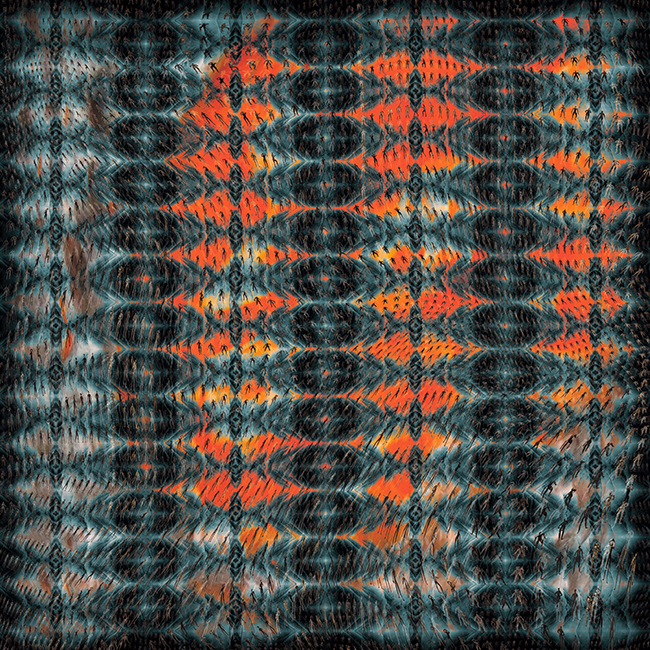
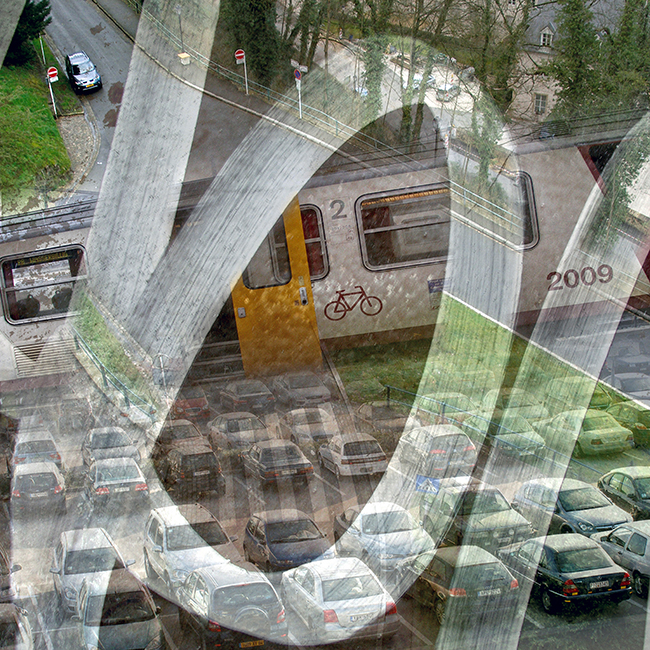
    Her Cityscapes: Utopian Cities series changes gears, but doesn’t drop the questions. Here, Tsalamata moves into imagined urban spaces, blending photography from her travels with elements of her intaglio work. The result is a kind of stitched-together vision—places that aren’t quite real but are rooted in reality. These cityscapes don’t promise a clean future. They offer possibility, but with a side of caution. They’re full of contrast: old and new, ideal and flawed, personal memory and shared structure. Expanded printmaking allows her to treat photography not just as image, but as material. She bends it, layers it, reframes it. What emerges is not a blueprint for better cities, but a meditation on what we build and why—and who gets left out when we do.
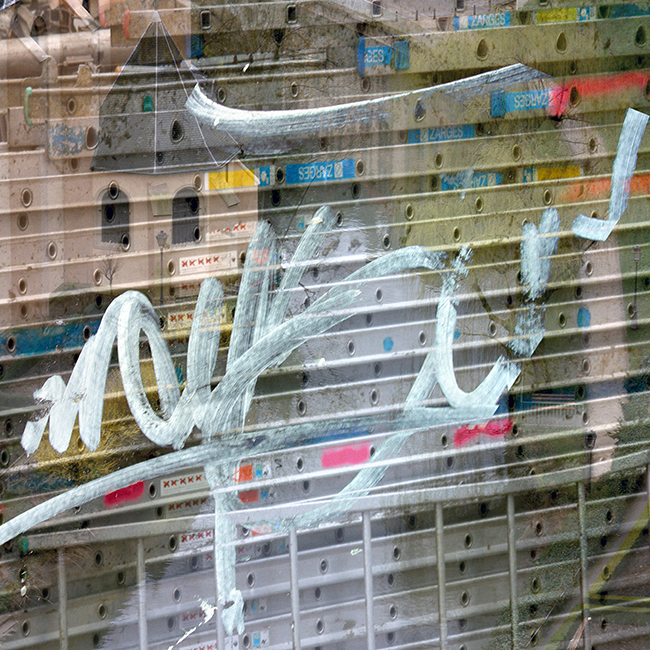
    The threads running through all these pieces are clear: critique, contradiction, and a refusal to look away. Tsalamata doesn’t wrap her work in sentiment. She doesn’t hand out easy resolutions. Her tone is steady, dry, and exact. Give Me Your Hand offers no comfort. Farewell offers no clarity. Even Utopian Cities, with its flicker of optimism, doesn’t pretend things are simple. And that’s the point. She’s not painting a dream. She’s showing us what’s real—whether we want to see it or not.
    Still, there’s a kind of faith in the act of making. Tsalamata’s choice of materials—archival prints, cotton paper—suggests she’s thinking long-term. These works are made to last, to be looked at again after time has passed. Not for prestige, but for endurance. To be re-read like a difficult book that only reveals more with age.

    In a world of fast images and fast takes, Tsalamata’s work sits quietly, asking harder questions. It doesn’t scream. It waits. And if you give it time, it answers—just not always in ways you expect.

    Share. Facebook Twitter Pinterest LinkedIn Tumblr Email
    Seraphina Calder
    • Website

    Related Posts

    October 30, 2026

    Alan Brown: A Portrait with a Pear

    September 25, 2026

    Allan Wesaquate: Returning to an Image

    September 25, 2026
    Add A Comment
    Leave A Reply Cancel Reply

    Top Posts

    October 30, 2026

    How editing propels mid-career artists to new heights

    December 23, 2023

    Musician Nick Cave will present new ceramics at Xavier Hufkens in 2024.

    December 23, 2023

    Why we are drawn to “hysterical” art.

    December 23, 2023
    Don't Miss

    Sonja Kalb: Whispering Forest III — Exploring the Poetry of Nature Through Abstraction Born in Stuttgart, Germany, contemporary abstract artist Sonja Kalb brings together a refined understanding of design and an expressive approach to painting. Holding a Dipl. Ing. degree in Textile and Design, she developed a strong appreciation for material experimentation, structural harmony, and the relationship between color and form. These influences remain evident in her artistic practice, although her work has gradually moved beyond technical precision toward a more spontaneous and emotionally driven visual language. Based in Düsseldorf, Germany, Kalb creates paintings that explore the shifting qualities of nature through rich textures, fluid gestures, and vibrant color combinations. Her compositions balance moments of intensity with passages of quiet reflection, revealing an ongoing fascination with the natural environment. Through abstraction, she transforms familiar impressions of landscapes into immersive visual experiences, encouraging audiences to discover their own emotional connections with the worlds she creates. A Journey Through Color, Light, and the Natural World In Whispering Forest III, mixed media on canvas, 120 × 80 cm, Sonja Kalb presents an evocative interpretation of the natural world, where color, texture, and movement come together to suggest the mysterious atmosphere of a forest. Rather than portraying a recognizable landscape, the artist creates an imaginative environment that captures the sensations of being surrounded by dense vegetation, shifting light, and organic forms. The composition offers a compelling balance between visual complexity and atmospheric tranquility, inviting viewers to explore its many layers. A rich spectrum of greens dominates the painting, ranging from deep forest shades to brilliant turquoise and softer emerald tones. These colors establish an immediate connection with the vitality of nature, suggesting flourishing vegetation and the constant renewal of the environment. Kalb introduces darker passages throughout the composition, creating a sense of depth and mystery. These shadowed areas contrast with lighter turquoise sections, producing the impression of sunlight filtering through a dense canopy of leaves. The painting’s vertical orientation reinforces its connection to the forest. Elongated marks and downward gestures resemble tree trunks, hanging branches, and the natural patterns formed by vegetation. Yet these associations remain deliberately ambiguous. Kalb allows recognizable suggestions to emerge without defining them completely, preserving the freedom of abstraction and encouraging viewers to participate in the interpretation of the work. One of the painting’s most captivating qualities is its intricate surface. Broad, energetic brushstrokes intersect with delicate marks, translucent passages, and areas of concentrated pigment. These contrasting techniques establish a visual rhythm that moves between spontaneity and careful consideration. Certain sections appear densely layered, while others reveal glimpses of lighter colors beneath the surface. This interaction creates a sense of continuous transformation, reflecting the complexity and unpredictability of natural growth. Toward the lower portion of the canvas, pale blue and turquoise tones introduce a softer atmosphere. These luminous areas suggest an opening within the forest, perhaps a clearing, a reflection of water, or a moment when daylight reaches the ground. Scattered accents of pink, violet, and reddish orange provide unexpected points of contrast, recalling the presence of flowers, fallen leaves, or other fleeting details within the landscape. Their placement adds warmth and visual interest without disrupting the painting’s overall harmony. Kalb’s use of color extends beyond the description of natural surroundings. Green becomes a vehicle for expressing vitality, regeneration, and emotional balance, while darker tones introduce introspection and uncertainty. The luminous turquoise passages suggest openness and renewal, creating a subtle dialogue between the familiar and the unknown. Through these relationships, the painting communicates an atmosphere that feels simultaneously peaceful and alive with movement. The title Whispering Forest III introduces an additional poetic dimension. The idea of a whisper suggests something intimate, almost imperceptible, encouraging viewers to consider the quieter expressions of nature. The forest is not presented as a static setting but as a living environment filled with subtle activity. Each brushstroke seems to contribute to an imagined conversation between light, foliage, atmosphere, and the changing seasons. There is also an intriguing relationship between concealment and discovery. Certain shapes appear to emerge from the layers of paint before dissolving into surrounding colors. This visual uncertainty encourages prolonged observation, as different details become apparent with each encounter. The painting rewards curiosity, allowing its atmospheric qualities to unfold gradually rather than revealing a single, fixed interpretation. Ultimately, Whispering Forest III demonstrates Kalb’s ability to translate the sensory richness of nature into a distinctive abstract language. Through expressive gestures, luminous color relationships, and richly developed textures, she creates an environment that feels both expansive and deeply personal. The work celebrates the forest not simply as a physical place, but as a source of imagination, emotional resonance, and quiet contemplation. It invites viewers to experience nature through feeling and perception, discovering beauty within the ever-changing relationships between color, movement, and light.

    Alan Brown: A Portrait with a Pear

    September 25, 2026

    Allan Wesaquate: Returning to an Image

    September 25, 2026

    Mike Garibay: Watercolor in Motion

    September 19, 2026
    Stay In Touch
    • Facebook
    • Twitter
    • Pinterest
    • Instagram
    • YouTube
    • Vimeo
    Our Picks

    October 30, 2026

    Alan Brown: A Portrait with a Pear

    September 25, 2026

    Allan Wesaquate: Returning to an Image

    September 25, 2026
    Most Popular

    October 30, 2026

    How editing propels mid-career artists to new heights

    December 23, 2023

    Musician Nick Cave will present new ceramics at Xavier Hufkens in 2024.

    December 23, 2023
    Legal Pages
    • About Us
    • Contact Us
    • Disclaimer
    • DMCA Notice
    • Privacy Policy
    • About Us
    • Contact Us
    • Disclaimer
    • DMCA Notice
    • Privacy Policy
    © 2026 ThemeSphere. Designed by ThemeSphere.

    Type above and press Enter to search. Press Esc to cancel.